Practical Life Skills
Guest Lecture on Personality Development, SMART Goals, Emotion Regulation, Time Management and Practical Approaches to Everyday Challenges
Guest Lecture Overview
The session focused on personality and practical life skills, structured goal setting, emotion regulation, time management, communication, organizational skills and practical approaches to overcoming procrastination and other pre-action challenges.
Guest Speaker
Mrs. Dhanshree Ghare
Designation: Councilor
Topic: Practical Life Skills
The lecture addressed practical life skills through personality development, SMART goal setting, emotion regulation, time management, communication and strategies for handling procrastination and pre-action challenges.
Topics Covered
Personality & Practical Life Skills
Personality and practical life skills were discussed with reference to physical aspects, character and traits, abilities and essential everyday skills.
- Emotion regulation
- Communication
- Social skills
- Time management
- Organizational skills
SMART Goal Setting
Goal setting was discussed using the SMART framework:
- Specific
- Measurable
- Achievable
- Relevant
- Time-bound
Challenges in goal attainment included skill deficit, anxiety/self-doubt, procrastination and lack of motivation.
Emotion Regulation & Time Management
Emotion regulation was discussed through acceptance and cognitive reframing.
- Reframing negative thoughts
- Addressing learned helplessness
- Acceptance
- Cognitive reframing
Time management was discussed using the urgent/important activity matrix.
Procrastination & Pre-Action Challenges
The lecture addressed pre-action challenges such as:
- Lack of clarity
- Boredom
- Discomfort
- Fear
- Lack of motivation
- Lack of confidence
Practical approaches included incremental changes, flexibility, starting after a break, taking one day at a time and avoiding lapse-to-relapse.
Practical Skills Highlighted
Communication & Social Skills
Communication and social skills were highlighted as important elements of practical life skills.
Goal Setting
The SMART framework provides a structured approach to setting and working towards goals.
Emotion Regulation
Acceptance and cognitive reframing were discussed for managing negative thoughts and emotional challenges.
Time Management
The urgent/important activity matrix was introduced as a practical tool for prioritization.
Attended POs / PSOs – Outcome Mapping
Structured Thinking & Problem-Solving
Personality traits, abilities and SMART goals build structured thinking and problem-solving.
Identifying and Analyzing Barriers
Challenges such as fear, procrastination and skill deficit, along with reframing thoughts, help identify and analyze barriers.
Practical Solution Development
The SMART framework and incremental changes teach students approaches for designing practical solutions.
Prioritization & Measurement
The time management matrix and activity slips provide tools for prioritization and measurement.
Ethics & Social Responsibility
References to Vinoba Bhave, Abdul Kalam and values connect learning with ethics and social responsibility.
Planning & Organization
Time management and procrastination handling strengthen planning, organization and communication.
Adaptability & Continuous Improvement
Motivation, quotes and continuous improvement encourage adaptability and ongoing self-learning.
Structured Thinking in Multidisciplinary Areas
SMART goals, problem analysis and time management build structured thinking for analysis, design and development in multidisciplinary areas.
Resilience & Adaptability
Emotion regulation, reframing and overcoming procrastination equip students to solve real-time problems with resilience and adaptability.
Faculty Present
Ms. Shete Sakshi
Faculty Present
Ms. Yewale Rutuja
Faculty Present
Mrs. Namrata Kudale
Faculty Present
Event Details
Department
Artificial Intelligence and Machine Learning
Topic / Subject
Practical Life Skills
Date
16/09/2026, Wednesday
Time
1:00 PM to 3:00 PM
Speaker
Mrs. Dhanshree Ghare
Designation
Councilor
Students Present
80
Year / Semester
AN3K, AN5K
Event Gallery
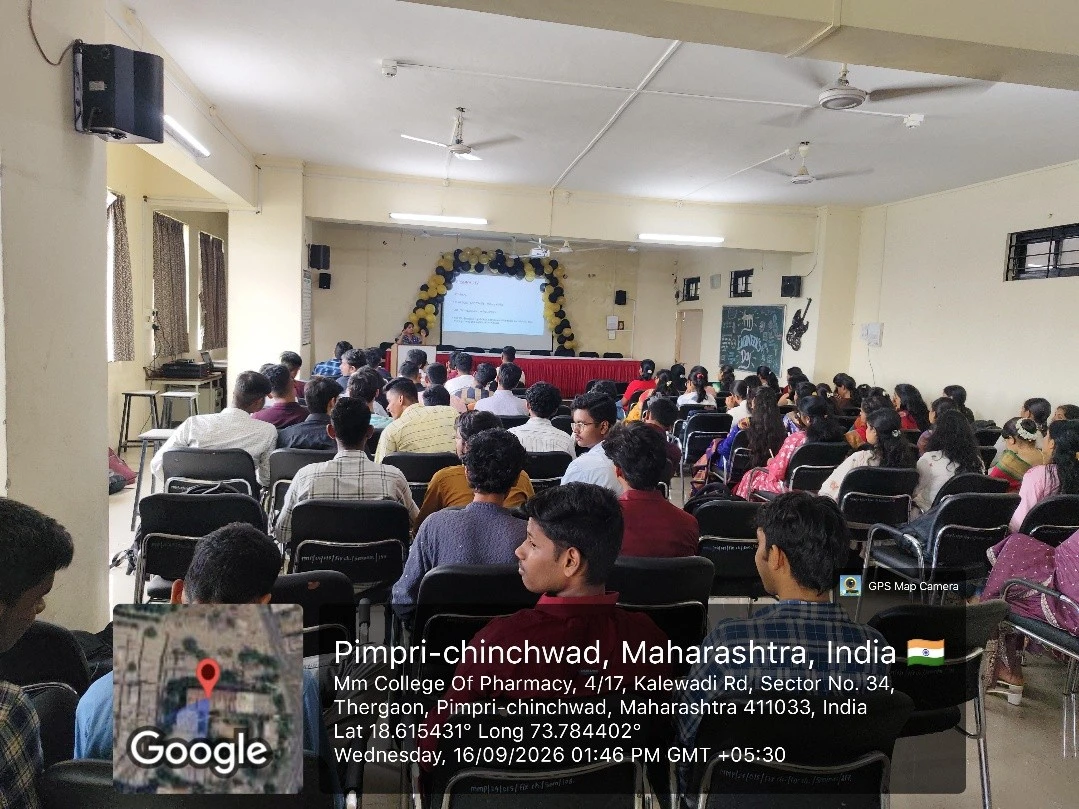
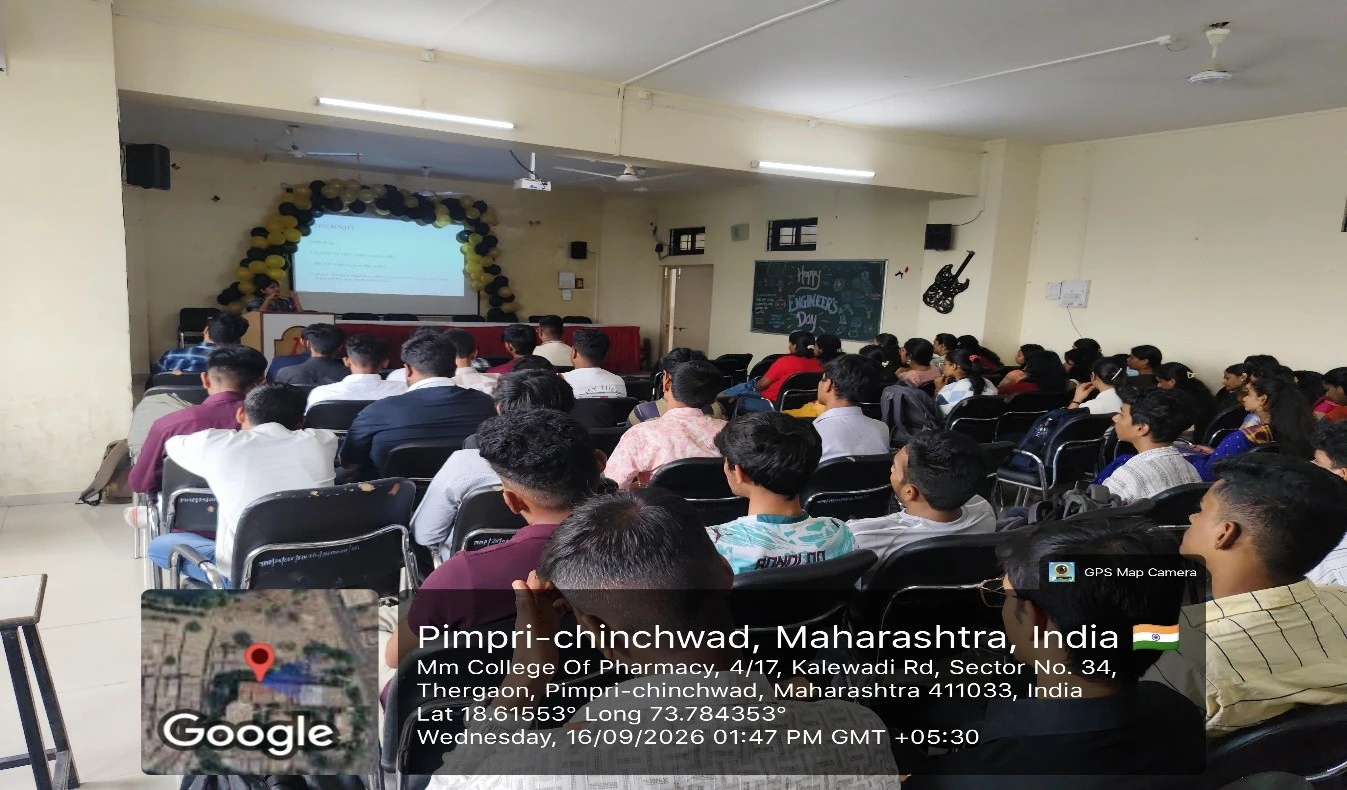
Key Takeaway
The guest lecture provided students with practical perspectives on personality development, structured goal setting, emotion regulation, time management and overcoming procrastination. The session connected these practical life skills with structured thinking, problem analysis, solution development, planning, adaptability and continuous learning.