🚀 How to Excel in Mechanical Engineering
A Practical Success Guide for Students at MM Polytechnic

Imagine you’ve just enrolled in Mechanical Engineering at MM Polytechnic. The first few weeks are exciting. You hear machines whirring in labs, see diagrams on whiteboards, and dream of designing something real one day. But then reality hits. Assignments pile up, theory feels remote, and doubts sneak in. This is normal. What separates those who struggle from those who succeed is not talent; it’s a consistent approach, purpose, and support.
In this blog, you’ll discover practical, human-tested strategies along with insights into how MM Polytechnic’s environment can support your journey. We are talking directly to you—the student looking for ways to stay ahead—and to your parents, who want to be sure this path leads to growth, not just hardship.
💡 Start with the Right Foundation
-
Understand the “why” behind every concept.
Don’t just memorize formulas—ask: Why does this matter? Connect concepts like stress-strain curves or thermodynamics to a real-world machine you’ve seen—a car engine, a pump, or a robot arm. This builds deeper understanding. -
Build a concept map early.
In your first semester, create a mind map linking foundational subjects: mechanics, materials, thermodynamics, and fluids. This visual tool helps you understand how each subject fits into the bigger picture of engineering design.
At MM Polytechnic, the Mechanical Engineering diploma is specifically designed to balance theory and application, giving you early and intensive exposure to workshops and labs.

⏱️ Master Time, Not Just Content
Weekly Planning for Deep Work
Set aside one full day (or half a day) each week as a “deep week”—no distractions, no small tasks. Use this time to revisit core concepts, address weak areas, or work on mini-projects. Beyond that, break daily tasks into manageable chunks.
The Power of Pomodoro + Reflection
Work for 25 minutes, rest for 5, then repeat. After each Pomodoro block, take 2 minutes to jot down what you learned and what you’re unclear about. This reflection cycle is the secret sauce for guided progress.
🔧 Leverage Hands-on Experience
Projects and workshops are your best teachers. You’ll learn more from building a simple gear train or constructing a thermal system than from reading ten chapters of theory. Look for small projects like CAD designs or a model windmill.
-
MM Polytechnic Workshops
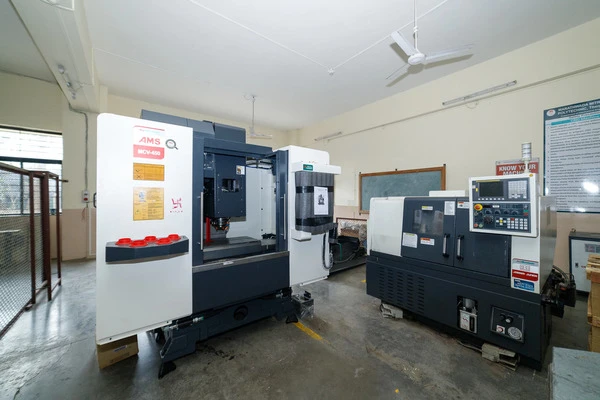
Students have access to extensive mechanical workshops and metal work tools for hands-on sessions that reflect real industry practices, making theory tangible. -
Industry Tie-ups and Internships
Take short internships during semester breaks. Even a 2 to 4-week stint helps you apply theory and identify skill gaps. MM Polytechnic’s placement cell is key for finding leads. mmpolytechnic.edu.in
📚 Embrace Strategic Study Habits
The goal is to study smarter, not harder:
- Active Learning: Close the book after reading a chapter and explain it out loud as if teaching a peer. Sketch diagrams or quiz yourself.
- Spaced Revision: Don’t cram. Use spaced repetition: revisit concepts after 1 day, 1 week, and 1 month. Form study groups to exchange mini-quizzes.
- Simulation Software: Use tools like MATLAB, SolidWorks, or ANSYS. These simulations let you experiment virtually, enhancing your intuition before you work with actual machines.
⭐ The Professional Mindset (Soft Skills)
Communication, Teamwork, and Documentation
Real engineers don’t just design; they report, present, argue, and justify. Practice writing clear reports and giving presentations. Focus on resolving conflicts and clearly documenting your work.
Networking and Mentorship
Talk to senior students, alumni, and faculty. Ask them, “What skills made you indispensable?” Use their insights to direct your learning path. As an established polytechnic in Pune, MM Polytechnic offers deep alumni networks you should leverage.
✅ Your MM Polytechnic Success Checklist
Refer back to these pointers weekly for steady, measurable progress:
- Build a concept map of all core subjects in your first semester.
- Dedicate one “deep week” each month to revisit the fundamentals.
- Start at least one hands-on mini project by second semester.
- Use reflection after every study block (the Pomodoro technique).
- Explore simulation tools in conjunction with hands-on labs.
- Develop presentation and report writing skills.
- Tap into the alumni network and placement cell for mentorship and internships.
- Manage your rest, avoid burnout, and view setbacks as feedback, not failure.
Ready to build the future? MM Polytechnic provides the environment, guidance, and infrastructure. Your effort is the catalyst.
Apply Now for Next Intake