How Automation is Shaping the Future of Engineering
Imagine walking into a modern factory where machines run smoothly, robots assemble parts accurately, and engineers are not just using tools but orchestrating a careful interaction between humans and technology. This isn’t a distant dream; it’s the reality changing the future of engineering. For students entering this field and for parents supporting them, understanding how automation is transforming engineering is not just interesting—it’s essential.
At MM Polytechnic, we see that today’s engineering world is not solely about textbooks and labs. It’s about preparing students to excel in an era where automation is reshaping how work is done, which skills are important, and the opportunities that lie ahead.
The Rise of Automation in Engineering
Automation means using technology to perform tasks with little human involvement. From assembly lines in manufacturing to AI-driven simulations in design, automation is becoming a vital part of modern engineering. But what does this really mean for future engineers?
Consider your everyday devices—smart thermostats, self-driving cars, and voice-activated assistants. These innovations depend on engineers who grasp automation principles. The change isn’t just about replacing manual work; it’s about enhancing engineering roles, allowing professionals to focus on creativity, problem-solving, and innovation.
How Automation Transforms Industries
Industries across the board are feeling the effects. In manufacturing, automation leads to quicker production cycles, higher quality outputs, and safer workplaces. Civil and mechanical engineering projects now use automated surveying drones and AI-driven maintenance. Even software and electrical engineering fields are changing, with engineers creating systems that can self-correct, adjust, and optimize performance in real time.
Automation not only alters what engineers do but also how they learn. The need for skills in robotics, AI, machine learning, and data analysis is increasing quickly. Students who engage with these trends early gain a significant advantage in the job market.
Preparing Students for an Automated Future
At MM Polytechnic, preparation goes beyond theory. Our curriculum includes practical experience with the latest technology, ensuring students can confidently work in automation-driven environments.
Practical Learning Experiences
- Robotics Labs: Students work with sensors, actuators, and control systems to learn the mechanics of automation.
- Simulation Software: Real-world scenarios, from manufacturing processes to infrastructure projects, are simulated, giving students a chance to tackle challenges before facing them in the field.
- Industry Partnerships: Collaborating with tech companies lets students work on real automation projects, connecting classroom learning with professional experience.
By focusing on practical learning, MM Polytechnic ensures students don’t just learn about automation—they experience it.
Cultivating Critical Skills
Automation needs engineers who can think critically and adapt quickly. Skills like problem-solving, systems thinking, and analytical reasoning are now essential. Through project-based learning, students design, test, and refine automated solutions, building confidence in both their technical and cognitive skills.
Automation and Career Opportunities
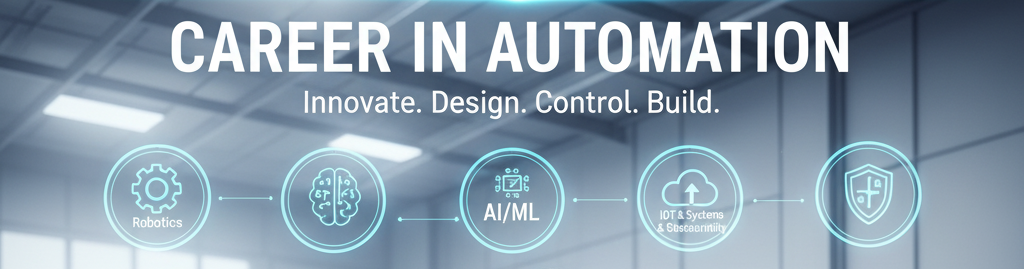
Parents often wonder, “What does this mean for my child’s career?” The answer is both comforting and motivating. Automation creates new roles while changing existing ones. Engineers skilled in automation, robotics, and AI are in high demand across many sectors:
- Manufacturing & Production: Robotics engineers, process automation specialists
- Civil & Infrastructure: Smart infrastructure designers, automated surveying experts
- Software & Electrical Engineering: AI system developers, embedded automation engineers
- Research & Innovation: Specialists in automated testing, simulation, and optimization
Addressing Common Concerns
It’s normal for parents to feel a mix of excitement and concern. Questions about job stability, skill relevance, and educational value often arise. Here’s how MM Polytechnic addresses these concerns:
- Skill Relevance: Curriculum regularly updated to match industry needs.
- Career Support: Placement assistance, internships, and mentorship programs connect students with real-world opportunities.
- Holistic Development: Beyond technical skills, students gain soft skills—communication, teamwork, adaptability—vital in automated work environments.
Take Action Now
- Explore courses and labs focused on automation for hands-on experience.
- Build skills in robotics, AI, and data analysis to remain competitive.
- Engage in project-based learning to enhance problem-solving and critical thinking skills.
- Seek mentorship and industry exposure early to understand real-world applications.
- Embrace lifelong learning—automation is evolving, and so should your skills.
Are you curious about how your engineering journey can succeed in an automated world? MM Polytechnic invites you to discover our programs, experience our labs, and see how we prepare students for the future. Whether you’re a student eager to create or a parent looking for reassurance, we’re here to help. Connect with our admissions team today to begin shaping a career that’s ready for tomorrow.
Contact Admissions