Understanding the Scope of Mechatronics Engineering
There is a field of engineering where mechanics, electronics, and computing come together—a place where robots, automated systems, and smart devices are created. That’s the world of Mechatronics Engineering. For students at a career crossroads and parents wanting to understand new opportunities, this field combines creativity, problem-solving, and hands-on innovation.
In recent years, Mechatronics has evolved from a niche specialty to a vital part of modern industry. From creating smart machinery to developing self-driving cars, engineers with skills in Mechatronics are in high demand. The field does not limit itself to one area; it flourishes at the crossroads of multiple disciplines. This mix allows professionals to solve complex problems in ways that engineers focused on a single area cannot.
Take the design of a robotic arm in a factory as an example. A Mechatronics engineer does not just build the mechanical structure; they integrate sensors to detect movement, program microcontrollers for precision, and ensure the system communicates smoothly with other machines. This blend of mechanical design, electronics, and software showcases the unique value that Mechatronics professionals provide.
Students entering this field should be ready to think broadly. While traditional engineering often dives deep into one area, Mechatronics promotes a wider viewpoint. It’s about understanding how systems work together, predicting results, and designing solutions that are efficient, smart, and adaptable. For parents, it’s encouraging to know that the skills learned in this field are versatile and in high demand across areas such as robotics, automotive, aerospace, and manufacturing.
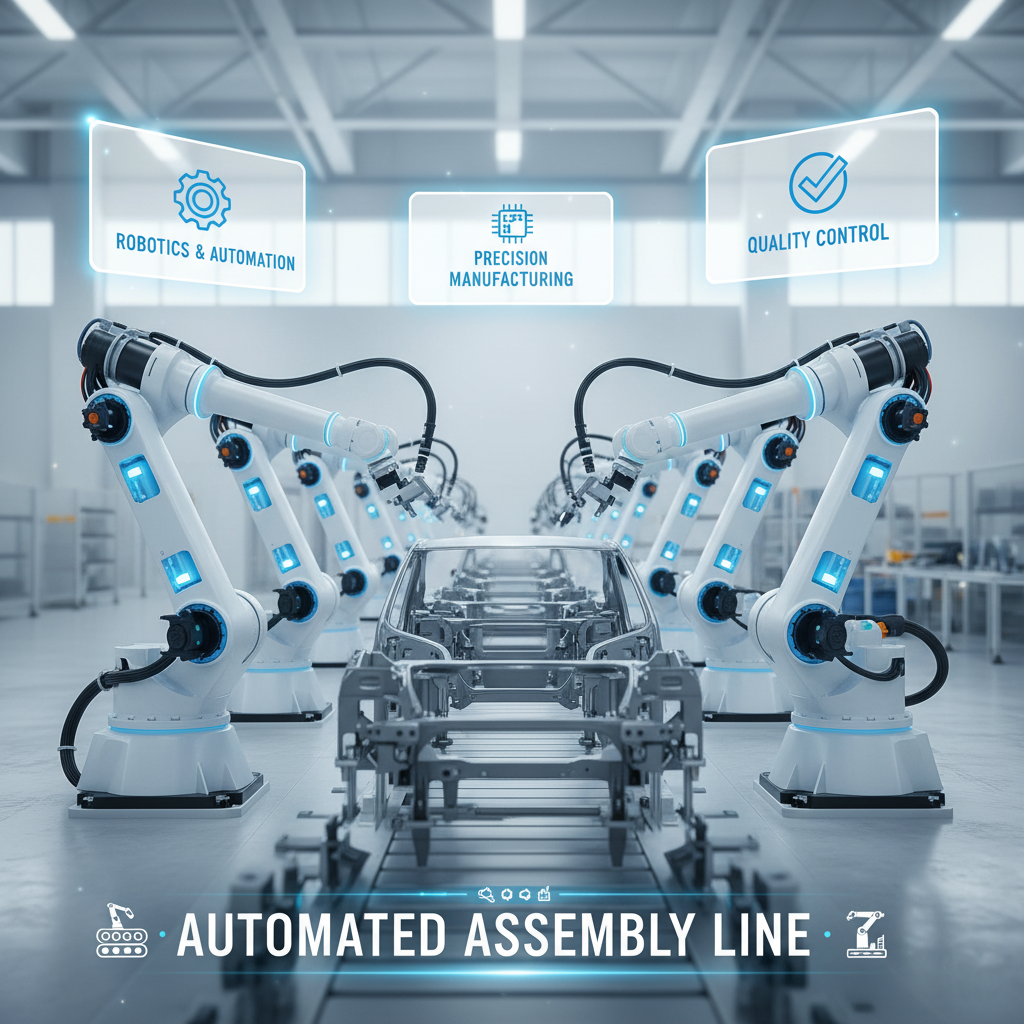
Mechatronics Engineering is not just about building machines; it’s about creating systems that can think, sense, and respond. As industries change, the need for engineers who can connect mechanical parts with electronic sensors and smart software is rapidly increasing. For example, in modern manufacturing plants, automated assembly lines depend on Mechatronics engineers to optimize performance, address problems, and improve accuracy. These engineers act as a link between hardware and software, ensuring every component operates in sync.
The automotive industry also offers exciting chances. Electric and self-driving cars are now reality, and they require engineers who understand complex systems. A Mechatronics engineer might design battery management systems, integrate sensors for driver-assist features, or develop algorithms to control vehicle dynamics. Each project calls for not only technical knowledge but also creative problem-solving and flexibility.
Beyond core engineering tasks, the field promotes experimentation and innovation. Students often take part in projects that merge robotics, automation, and Internet of Things (IoT) devices. These hands-on experiences help turn theory into practice and make learning more engaging. Consider a small home automation project that controls lights, fans, and security sensors through a smart interface. It mirrors what occurs in larger industrial applications and gives students a glimpse of real-world problem-solving.
For parents, grasping the scope of Mechatronics is crucial. The skills learned in this field, like system integration, programming, electronics, and mechanical design, are transferable and highly sought after in various sectors. It’s not just about getting a job; it’s about nurturing a mindset geared toward innovation, adaptability, and long-term career growth. Encouraging students to engage in multidisciplinary projects and internships early on can give them a valuable head start in building confidence and skills.
The field also aligns with global trends in automation and smart technology. From healthcare robotics to renewable energy systems, the demand for engineers who can work with complex, interconnected systems is steadily increasing. Students who invest in these skills now position themselves to be part of groundbreaking projects and industries shaping the future.
The range of Mechatronics Engineering goes well beyond typical mechanical or electrical roles. One of its biggest strengths is flexibility. Engineers in this field can shift between industries like robotics, aerospace, automotive, manufacturing, and even healthcare technology. They are not limited to one specialization; their multidisciplinary training enables them to design systems, integrate new technologies, and innovate in emerging fields.
Students looking to succeed in Mechatronics should combine a strong foundation with practical experience. Working on projects with robotics kits, automation tools, or IoT devices can provide important hands-on skills. Additionally, learning programming languages such as Python, MATLAB, or C++ can bridge the gap between mechanical systems and software integration. Industry workshops, internships, and collaborative projects also offer chances to face real-world challenges, enhancing both technical skills and problem-solving abilities.
Another aspect to consider is soft skills. Mechatronics engineers often work in teams with software developers, mechanical designers, and electronics specialists. Effective communication, adaptability, and project management are critical skills that support technical knowledge, ensuring engineers can contribute meaningfully to complex projects.
For parents, understanding these aspects can offer comfort that Mechatronics is a field that not only equips students with technical skills but also promotes innovation, critical thinking, and readiness for the future. Encouraging students to explore projects, participate in competitions, and keep up with technological trends can help them build a solid foundation for success.
Practical Takeaways for Students
- Build a multidisciplinary foundation across mechanics, electronics, and programming.
- Engage in hands-on projects to translate theory into practical solutions.
- Develop programming and software skills to complement mechanical expertise.
- Cultivate teamwork, communication, and problem-solving abilities.
- Stay curious and follow industry developments in automation, robotics, and IoT.
Exploring the scope of Mechatronics Engineering reveals a landscape full of opportunities, innovation, and future-ready skills. Students who embrace both technical depth and a broad understanding are poised to succeed in industries at the forefront of technology.